.png)
March 5, 2026

5 Minute Read

.png)
March 5, 2026
5 Minute Read
Trading can be done in two primary ways: manual execution and automated execution. While both approaches rely on strategies and analysis, the way trades are executed can significantly impact performance.
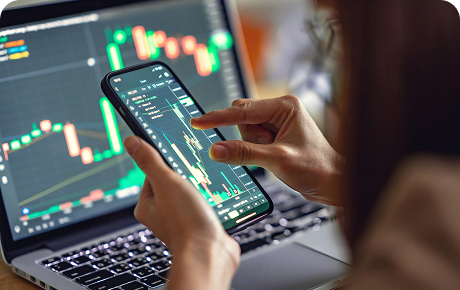
Manual trading requires the trader to monitor markets and execute trades themselves. This approach gives traders full control over their decisions, allowing them to adjust quickly to changing market conditions.
However, manual trading also introduces several challenges. Traders must constantly watch charts, react quickly, and manage emotions in real time. Human limitations such as fatigue, hesitation, and emotional bias often lead to mistakes.
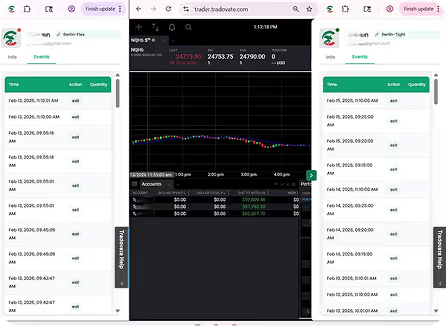
Automated trading uses software or algorithms to execute trades based on predefined rules. Once the system is configured, trades are placed automatically when specific conditions are met.
This approach removes delays and emotional interference. Automated systems can monitor multiple markets simultaneously and execute trades instantly, something that is difficult for human traders to achieve manually.
Both methods have advantages, and many traders combine them. Manual trading allows flexibility and creativity, while automation provides discipline and consistency.
The key difference lies in execution. Automated systems ensure strategies are applied exactly as intended, reducing human error and improving consistency in trading performance.

Disclaimer : Trading in financial markets involves risk and may not be suitable for all investors. Craft Trading does not guarantee profits or specific trading results.